
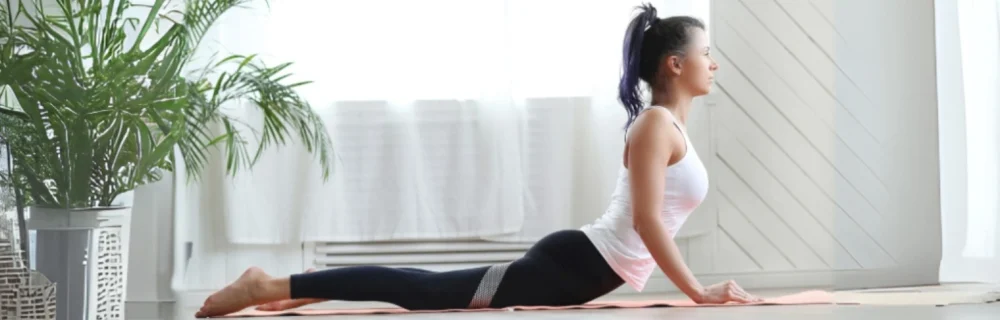

In the midst of Singapore’s bustling city life, carving out a quiet corner at home for mindful movement has become increasingly valuable. The beauty of yin yoga lies in its accessibility. Unlike high-energy workouts that require large spaces and complex equipment, yin yoga thrives in stillness, simplicity, and comfort. By creating a sanctuary within your living space, you can transform ordinary practice into a deeply restorative ritual.
Why a Home Sanctuary Matters
The environment you practise in influences your state of mind. A cluttered or noisy space can make it difficult to relax fully, while a thoughtfully arranged setting encourages calmness. A dedicated yin yoga sanctuary at home becomes more than a physical area, it is a reminder to pause, breathe, and restore balance amidst daily responsibilities.
Choosing the Right Space
The first step in creating a yin yoga sanctuary is selecting the right area. You do not need an entire room, even a small corner can work beautifully if designed with intention. Consider:
-
Natural light: Soft daylight enhances calmness, while dim evenings can be balanced with warm lamps or candles.
-
Ventilation: Fresh air circulation supports relaxed breathing. A quiet window or air purifier can make a difference.
-
Privacy: Choose a spot away from high-traffic areas to minimise distractions.
Even in compact apartments, dedicating a specific area helps signal to the mind that this space is for rest and reflection.
Essential Props for Comfort
Yin yoga relies on comfort to sustain long holds. Props support the body so it can soften gradually without strain. For a home sanctuary, consider:
-
Yoga mat: A cushioned but stable surface is ideal.
-
Bolster or large cushions: Essential for support in reclining or seated poses.
-
Blankets: Provide warmth during stillness and double as support.
-
Yoga blocks or books: Useful for adjusting pose height and accessibility.
-
Eye pillow: Encourages deeper relaxation during savasana.
These items do not need to be expensive. Everyday household objects such as pillows, rolled towels, and books can serve the same purpose.
The Role of Lighting and Ambience
Lighting sets the tone for yin yoga practice. Bright overhead lights can feel harsh, whereas warm, soft lighting invites relaxation. Dim lamps, candles, or even string lights can create a soothing glow. Pairing this with calming scents, such as lavender or sandalwood, deepens the sensory experience.
Music is another element to consider. Soft instrumental tracks or natural sounds like rain and ocean waves help quiet the mind. Silence can also be powerful, especially when the goal is inward focus.
Incorporating Nature Into the Space
Bringing natural elements into your yin yoga sanctuary enhances grounding. Indoor plants purify the air and add a touch of life to the space. Stones, crystals, or wooden accessories can bring texture and a sense of earthiness. For those in high-rise apartments, simply positioning the mat near a window with a view of the sky or greenery can create a restorative connection with nature.
Personalising the Sanctuary
Your yin yoga space should feel deeply personal. Small details can make it uniquely yours:
-
Photographs or artwork that evoke calm.
-
Affirmation cards to inspire reflection during practice.
-
A journal placed nearby for noting thoughts after sessions.
-
Sacred items such as candles, beads, or a small statue if it resonates with you.
This personalisation transforms the space into a sanctuary rather than just a practice corner.
Structuring a Home Yin Yoga Routine
Once your sanctuary is set up, developing a routine ensures that the space serves its purpose. Start with shorter sessions, 15–20 minutes, and gradually extend as comfort grows. Many practitioners in Singapore enjoy evening yin yoga to unwind after work, while others prefer morning practice to set a calm tone for the day.
Tips for structuring practice at home include:
-
Begin with three deep breaths to centre yourself.
-
Choose three to five yin poses and hold each for 3–5 minutes.
-
Use props generously to support comfort.
-
Close with savasana, allowing at least 5 minutes of complete stillness.
Consistency, rather than duration, is what creates the most meaningful results.
Blending Technology With Home Practice
Digital tools can enhance your yin yoga sanctuary. Online classes and guided sessions provide structure, especially for beginners. Using a tablet or laptop placed at eye level ensures smooth visual guidance. Some practitioners also incorporate meditation apps to combine yin yoga with breathwork or mindfulness techniques.
The key is to ensure that technology supports the practice without becoming a distraction. Keeping notifications off during sessions preserves the sanctuary’s calming effect.
The Emotional Benefits of a Home Sanctuary
Practising yin yoga at home extends benefits beyond physical flexibility. Having a sanctuary space readily available encourages regular practice, which fosters emotional balance and resilience. Over time, the simple act of stepping into your yin yoga corner signals to your mind that it is time to slow down and recharge. This mental association becomes an anchor for calmness, especially valuable in fast-moving urban life.
Integrating Yin Yoga Into Daily Living
Your sanctuary does not need to be reserved solely for practice sessions. It can also serve as a space for quiet reading, meditation, or journaling. By broadening its purpose, the space becomes a holistic retreat for self-care. This integration ensures the sanctuary remains an active and meaningful part of daily life.
Studios like Yoga Edition complement at-home sanctuaries by offering in-person sessions where practitioners can deepen their practice and bring fresh inspiration back to their home environment.
Frequently Asked Questions
Do I need a large space at home for a yin yoga sanctuary?
No. Even a small corner can be transformed into a peaceful sanctuary with intentional design and minimal props.
What is the most important prop for yin yoga at home?
A supportive cushion or bolster is key, as comfort is essential for holding poses for several minutes.
How can I stay motivated to practise yin yoga at home?
Creating a visually calming space and scheduling specific times for practice helps maintain consistency. Pairing practice with rituals like lighting a candle can also reinforce motivation.
Can I share my sanctuary space with family members?
Yes, but it is best to set boundaries. Ensure that when you use the space, it remains quiet and distraction-free.
What if my home environment is noisy?
Noise-cancelling headphones or soothing background music can help. Over time, practising in less-than-perfect conditions can also strengthen focus.

Comments are closed.