
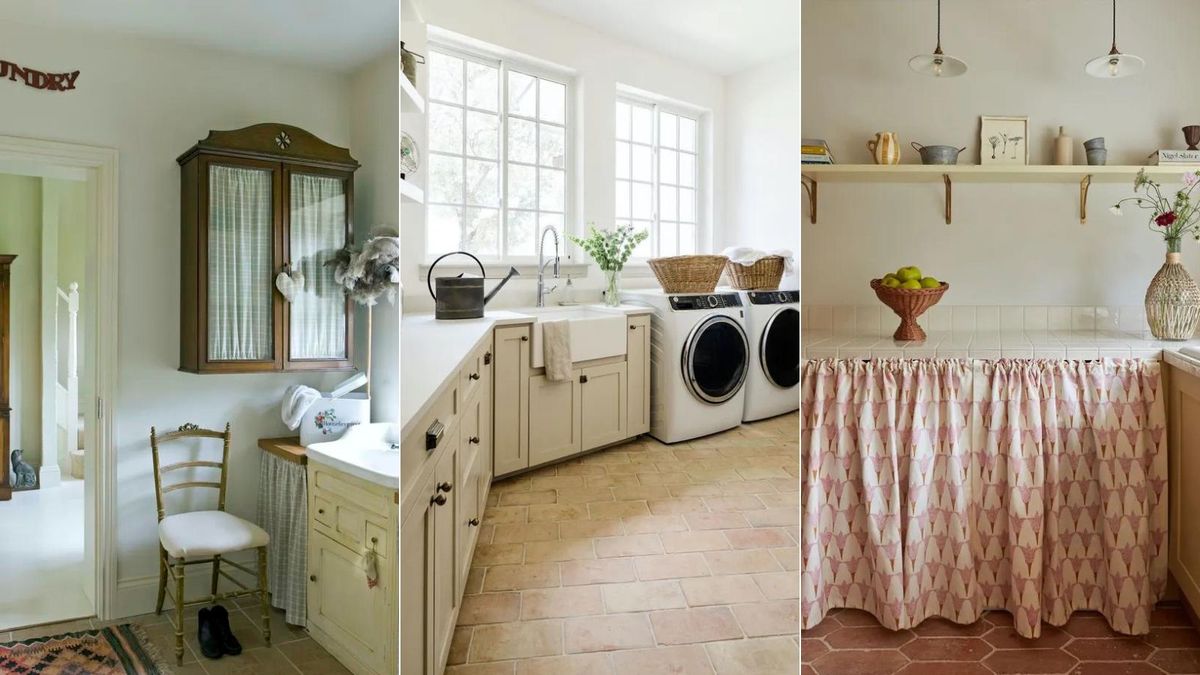

Few household chores carry the universal dread associated with doing laundry. Dragging heavy hampers down long hallways, balancing detergent bottles on cramped ledges, and wrestling with overflowing clothing piles in a dark, cramped closet of a room can turn a simple weekly chore into an exhausting ordeal. For many homeowners, the laundry room is an afterthought, squeezed into a narrow hallway alcove, tucked away in a dark basement corner, or shoehorned into a tiny mudroom right off the garage. Yet, square footage is rarely the true enemy of a functional laundry space. Poor layout design and wasted vertical volume cause the congestion.
Designing a small laundry room that actually functions requires thinking like an ergonomic engineer and a space-planning expert. You do not need a sprawling multi-room facility with a center island and a specialized folding station to keep your household running smoothly. By optimizing your physical layout, investing in multi-functional fixtures, and exploiting vertical architecture, even a compact footprint can become an efficient, streamlined workspace. Here is how you can transform your cramped laundry area into a well-organized hub that simplifies your routine.
Embracing Vertical Space: The Power of Stacking
When floor space is severely limited, horizontal expansion is off the table. Your only logical direction is upward. For decades, traditional side-by-side washer and dryer units dominated American homes, taking up a massive four-to-six-foot swath of valuable floor space. While side-by-side units offer the convenience of a folding surface right on top of the machines, they waste an immense amount of vertical volume that could be utilized for storage or workflow integration.
Transitioning to a stacked washer and dryer unit instantly cuts your appliance footprint in half, freeing up precious square footage for a utility sink, a tall storage pantry, or a dedicated folding station. Modern stacked units or laundry towers are no longer the noisy, vibrating machines of the past; advanced balancing technology makes them stable and remarkably quiet.
Once your appliances are stacked vertically, the remaining wall space becomes your primary canvas for smart storage. Install a tall, narrow utility cabinet beside the stack to house bulky items like brooms, mops, ironing boards, and large detergent jugs. Above the units, mount sturdy wall cabinets with doors to keep clutter out of sight, or install open wood shelving if you prefer easy access to frequently used items like dryer sheets, stain removers, and laundry baskets.
The Single-Wall Workflow Optimization
In many narrow laundry closets or galley-style utility rooms, all appliances and storage must align against a single wall. While this linear layout feels restrictive at first glance, it actually mirrors professional commercial kitchen design by establishing a logical, step-saving workflow from dirty sorting to washing, drying, and folding.
To make a single-wall layout successful, sequence your appliances and stations correctly. The ideal flow places your laundry sorting basket at one end, moving smoothly to the washer, transferring straight across or into the dryer next to it, and ending with a counter surface for folding. If space permits, installing a seamless laminate or butcher block countertop spanning continuously across front-loading washer and dryer units creates an instant workspace. This continuous surface prevents clothes from falling into the awkward gap between side-by-side machines and provides a comfortable waist-high zone for pairing socks and folding shirts.
If your washer and dryer are top-loaders, a fixed countertop over the top is impractical because you need clearance to open the lids. Instead, consider a pull-out folding shelf installed immediately above or beside the machines. These clever hardware pull-outs slide seamlessly out of a cabinetry stack, providing a sturdy temporary surface when you need it and vanishing completely when you are done.
Innovative Solutions for Tight L-Shaped and Corner Spaces
When your laundry area occupies a corner or an L-shaped nook, standard rectangular layouts break down, leading to awkward dead zones and restricted movement. In these compact footprints, every inch counts, and accessibility becomes the primary design challenge.
An L-shaped laundry layout allows you to separate messy tasks from clean tasks. For example, you can place your washing machine and utility sink along the longer wall to handle water access and heavy washing, while positioning your dryer and a fold-down wall table along the perpendicular wall. This configuration prevents you from bumping your elbows against open appliance doors while trying to transfer wet garments from the drum to the basket.
Consider outfitting corner base cabinets with rotating Lazy Susans or pull-out swing trays so that cleaning supplies stored deep in the corner remain easily reachable. In tight corner spaces, every door swing matters. If a traditional cabinet door bangs against your washing machine door, swap it out for a sleek sliding barn door or a pocket door that glides effortlessly out of the way.
Hiding in Plain Sight: Closet and Hallway Laundry Rooms
Many modern homes feature laundry stations tucked away behind bifold or sliding closet doors in high-traffic hallways, kitchens, or master bathrooms. These hidden configurations keep noisy machinery out of sight when entertaining guests, but they present unique layout challenges due to spatial constraints when the doors are open.
For a closet laundry room, the interior depth is your most critical measurement. Standard-sized washers and dryers often require at least thirty-two to thirty-four inches of depth, plus extra clearance for rear hoses and ventilation ductwork. If your hallway closet is shallow, look specifically for compact, European-style front-loading laundry pairs or all-in-one washer-dryer combo units that wash and dry clothes in a single drum without requiring an exterior exhaust vent.
To maximize a closet laundry space, mount a heavy-duty pull-down clothing rod inside the door frame or on the side wall. This allows you to hang damp shirts straight out of the dryer to minimize wrinkles without needing a freestanding clothing rack that clogs up your hallway. Use magnetic storage caddies on the sides of your metal washing machine to hold dryer balls and stain sticks, keeping interior closet walls free of clutter.
Lighting and Color Tricks to Expand Visual Space
Layout is only half the battle when designing a small laundry room. Because these spaces are frequently windowless interior rooms, poor lighting and dark paint colors can make a compact laundry area feel like a claustrophobic cave, turning chore time into a depressing experience.
Maximize natural light if your space includes a window, and avoid heavy, opaque window treatments that block sunlight. For windowless laundry rooms, upgrade your overhead lighting from a single harsh fluorescent bulb to a layered lighting scheme. Combine bright, recessed ceiling LED pot lights with under-cabinet strip lighting that illuminates your folding counter directly. Good lighting makes it significantly easier to spot stubborn stains on garments before they go into the dryer.
Choose your color palette strategically. Crisp, bright white or soft pastel wall finishes reflect light around the room, making tight walls feel instantly more expansive. Pair light walls with contrasting dark cabinets or vibrant floor tiles to add visual depth and personality to the space without overwhelming the small footprint.
Transforming Chores Through Smart Design
A small laundry room does not have to feel like a compromise. By approaching your floor plan with intentionality, embracing vertical storage solutions, and selecting appliances that fit your actual spatial limits, you can turn a cramped utility closet into one of the most efficient, satisfying rooms in your house. When your layout works smoothly, doing laundry transforms from an exhausting chore into a seamless, orderly part of your weekly routine.

Comments are closed.