
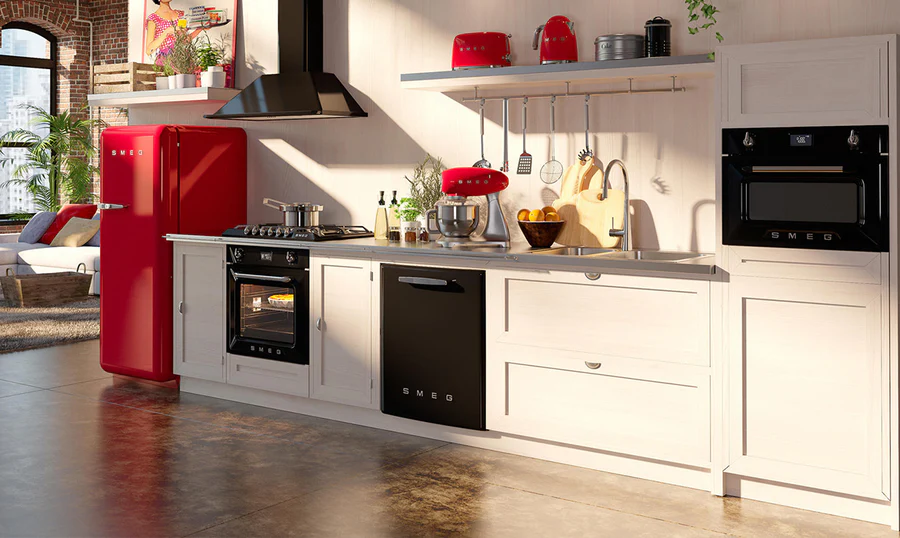

The kitchen is often described as the heart of the home, but in technical terms, it is an engine room. The efficiency of that engine depends entirely on the appliances selected to power it. However, in modern interior design, functionality is only half of the equation. As the barrier between the kitchen and the living area continues to dissolve through open-concept floor plans, appliances are no longer just tools; they are significant visual components that define the room’s character. Choosing the right appliances requires a delicate balance between technical specifications, spatial logistics, and aesthetic harmony.
A common mistake homeowners make is selecting appliances in isolation. They might fall in love with a professional-grade range or a smart refrigerator without considering how these individual pieces will interact with the cabinetry, lighting, and overall footprint of the space. To create a kitchen that feels cohesive and professionally curated, you must approach appliance selection as an integrated part of the architectural process.
Defining Your Design Aesthetic and Finish
Before looking at BTUs or cubic feet, you must identify the primary design language of your kitchen. Appliances are available in a variety of finishes, and each one sends a different stylistic message.
-
Stainless Steel: This remains the industry standard for its versatility. It fits perfectly in industrial, transitional, and modern kitchens. However, the tone of stainless steel can vary; some have a warmer, yellowish tint, while others are cooler and more blue. To ensure a professional look, try to source all major appliances from the same manufacturer to ensure the finishes match perfectly.
-
Integrated or Panel-Ready: For those pursuing a minimalist or high-end traditional look, panel-ready appliances are the gold standard. These units are designed to accept a custom front that matches your cabinetry, allowing the dishwasher and refrigerator to vanish into the woodwork. This is an excellent strategy for small kitchens where breaking up the cabinetry with large metal surfaces can make the room feel disjointed.
-
Black Stainless and Matte Finishes: These finishes offer a sophisticated, moody alternative to traditional silver. They are excellent for contemporary designs but require careful lighting to ensure they do not disappear into the shadows or show every smudge and fingerprint.
-
Professional and Retro Bold Colors: Some homeowners use the range as a focal point. A bright red or cobalt blue professional-grade stove can act as a piece of functional art in an otherwise neutral kitchen.
Spatial Planning and the Work Triangle
The layout of your kitchen dictates the size and type of appliances you can accommodate. The classic “work triangle”—the path between the refrigerator, the stove, and the sink—remains a vital concept in kitchen ergonomics.
When choosing appliances, you must account for the “clearance” required for them to function. A common oversight is failing to measure the swing of a refrigerator door. In a tight kitchen, a French-door refrigerator might be more practical than a single-door model because the doors require less clearance to open fully. Similarly, you must ensure that the dishwasher door, when fully lowered, does not block the main walkway or collide with opposite cabinets.
Depth is another critical factor. Standard refrigerators typically protrude several inches beyond the depth of standard 24-inch base cabinets. If you want a sleek, high-end look without the cost of a full built-in unit, look for “counter-depth” models. While they offer slightly less internal storage, they sit flush with your cabinetry, providing a much cleaner silhouette.
Matching Performance to Lifestyle
The best appliance for your design is one that supports how you actually use the space. If you are an avid baker, a double wall oven might be a priority that necessitates sacrificing some cabinet space. If you entertain frequently, an under-counter wine cooler or an ice maker might be essential additions.
In modern design, the cooktop has also become a point of stylistic debate. Induction cooktops offer a sleek, glass-surface look that is incredibly easy to clean and fits perfectly in minimalist or ultra-modern designs. Gas ranges, with their heavy grates and industrial knobs, appeal to those who prefer a more traditional, “chef-centric” aesthetic. Your choice here will influence the type of ventilation you need, which is another major design element.
The Role of Ventilation in Kitchen Design
Range hoods are often the most overlooked appliance during the initial design phase, yet they have a massive impact on the visual weight of the room. There are three main approaches to ventilation design:
-
The Statement Hood: A large, professional-grade stainless steel or custom-plastered hood can serve as the centerpiece of the kitchen. This works well in large spaces with high ceilings.
-
The Hidden Vent: For a streamlined look, many designers use “insert” hoods that are built into a cabinet box. From the outside, it looks just like another upper cabinet, keeping the focus on the backsplash tile.
-
The Downdraft: In island installations where a hanging hood would block the line of sight to the rest of the house, a downdraft vent that rises from the countertop—or is integrated into the cooktop—is the ideal solution.
Integrating Smart Technology Without Compromising Style
We are currently in the era of the “connected kitchen.” While features like internal cameras in refrigerators or Wi-Fi-enabled ovens are impressive, they can sometimes come with bulky screens that disrupt a classic design. If you want the benefits of technology without the “gadget” look, look for appliances with hidden controls. Many modern dishwashers and ovens now feature “top-control” panels that are invisible when the appliance is closed, maintaining a clean, uninterrupted face on the unit.
The Importance of Uniformity and Brand Pairing
While it is possible to mix and match brands, it is a risk. Each manufacturer has a specific “design DNA.” This includes the shape of the handles, the color of the digital displays (blue vs. green vs. white), and even the radius of the curved corners. In a professionally styled kitchen, these small details matter. Using a suite of appliances from a single brand ensures that the handles on your wall oven match the handles on your dishwasher, creating a sense of intentionality and calm.
Frequently Asked Questions
What is the difference between built-in and counter-depth appliances?
Counter-depth appliances are freestanding units designed to be roughly the same depth as your cabinets, though they still require small gaps for ventilation and door swing. Built-in appliances are actually bolted into the cabinetry or a wall frame. Built-ins offer the most seamless look but are generally much more expensive and require professional installation and custom cabinetry.
Is it okay to mix different metal finishes for my appliances and my cabinet hardware?
Yes, mixing metals is a popular trend, but it should be done with purpose. If your appliances are stainless steel, you can certainly use brass or matte black hardware for your cabinets to add warmth. The key is to keep the appliances consistent with each other while using the hardware as the “jewelry” that provides contrast.
How do I choose the right size range for a small kitchen?
The standard residential range is 30 inches wide. If you have a very small space, some European manufacturers offer 24-inch pro-style ranges that provide high performance without the bulk. Conversely, if you have a large kitchen, a 36-inch or 48-inch range can provide the necessary scale to fill the room properly.
Are induction cooktops better for modern designs than gas?
Aesthetically, induction is often preferred for modern designs because of its flat, unobtrusive profile. It can even be installed so it sits almost flush with the countertop. However, the “best” choice depends on your cooking style and whether your home is already equipped with a gas line or the necessary electrical voltage for induction.
How much space should I leave between an island and the appliances on the back wall?
In a well-designed kitchen, the “aisle width” should be at least 42 inches for a single cook and 48 inches if there are multiple people frequently using the space. This ensures that you can fully open the oven or dishwasher door and still have room for someone to walk behind you.
Can I put a refrigerator next to an oven in my layout?
While modern insulation has made this more feasible than in the past, it is still not ideal. The heat from the oven can cause the refrigerator to work harder, potentially shortening its lifespan and increasing energy costs. If your design requires them to be adjacent, try to include at least a small “filler” cabinet or a panel of high-quality insulation between them.
What is the most durable finish for appliances if I have children?
Look for “smudge-proof” or “fingerprint-resistant” stainless steel. These finishes have a specialized coating that prevents oils from the skin from sticking to the metal. Matte black is also relatively good at hiding smudges compared to high-gloss black or traditional polished chrome.

Comments are closed.