
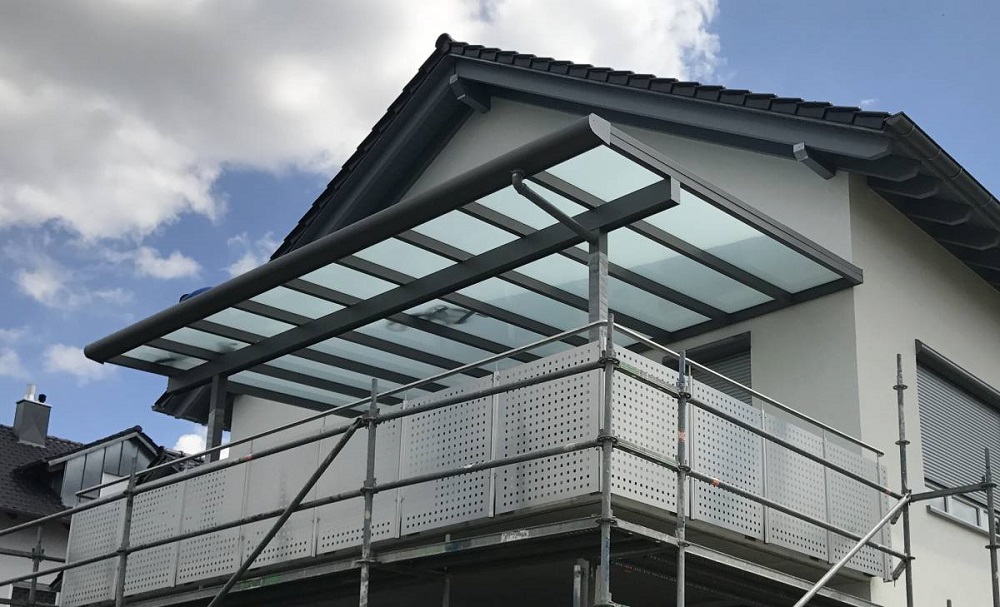

The roof is often described as the crowning glory of a residence, yet it is frequently the most overlooked element in residential design. Covering up to forty percent of a home’s visible exterior, the roof plays a dual role: it is the primary shield against the elements and a dominant architectural feature that dictates curb appeal and property value. A poorly conceived roof can make a sprawling estate look cluttered or a charming cottage look top-heavy. Conversely, a well-designed roof harmonizes with the landscape, respects the home’s architectural heritage, and utilizes modern materials to enhance longevity.
Designing a roof that complements your home requires a sophisticated understanding of geometry, color theory, and regional context. It is not merely about choosing a shingle color; it is about selecting a profile and material that speaks the same language as the rest of the structure. Whether you are building from the ground up or planning a major renovation, mastering the intersection of form and function is essential for a cohesive aesthetic.
Understanding Architectural Styles and Roof Profiles
The first step in designing a complementary roof is identifying the architectural DNA of your home. Different styles have specific “vocabulary” regarding roof pitch and shape. Pitch refers to the slope of the roof, and it dramatically influences how the home is perceived.
-
Colonial and Cape Cod: These traditional American styles typically feature simple, steep-pitched gable roofs. A gable roof consists of two sloping sides that meet at a ridge, creating a triangle at the end walls. To complement these homes, the roof should maintain a clean, symmetrical line without excessive ornamentation.
-
Victorian and Queen Anne: These homes are known for their complexity. They often feature steeply pitched hipped roofs—where all four sides slope toward the walls—interspersed with gables, turrets, and towers. A complementary design here involves embracing various planes and perhaps using decorative shingles to highlight the home’s intricate character.
-
Modern and Contemporary: Modern architecture often utilizes low-slope or flat roofs to emphasize horizontal lines and a minimalist aesthetic. Shed roofs, which slope in only one direction, are also common. For these homes, the “complement” comes from the choice of high-end materials like standing-seam metal rather than the complexity of the shape.
-
Mediterranean and Mission: Characterized by low-pitched hipped roofs, these styles are synonymous with clay tiles. The heavy texture and warm tones of the roofing material are central to the identity of the home, meaning a flat shingle would look out of place.
The Impact of Roof Pitch on Visual Scale
Pitch is a powerful tool for manipulating the visual scale of a building. A high-pitched roof adds verticality, making a small home appear more prominent and stately. This is why many Gothic Revival or Tudor homes feel so imposing despite having a modest footprint. However, on a very large, single-story ranch, an excessively high pitch can look disproportionate, as if the roof is swallowing the house.
Low-pitched roofs tend to ground a building, making it feel more integrated with the surrounding landscape. This is a hallmark of the Craftsman and Prairie styles. When designing your roof, consider the “skyline” of your neighborhood. While your home should stand out, it should not disrupt the visual rhythm of the street. A roof that is significantly higher or lower than its neighbors can create a jarring architectural disconnect.
Color Theory and Exterior Coordination
Choosing a roof color is a long-term commitment that affects the home’s thermal performance and aesthetic balance. The general rule of thumb is that the roof should be darker than the body of the house. A dark roof acts as a visual “anchor,” pulling the eye downward and making the structure feel stable and permanent.
Consider the following color relationships:
-
Warm Tones: If your home features tan, beige, or red brick siding, a roof in shades of brown, weathered wood, or terra cotta will create a harmonious, inviting look.
-
Cool Tones: For homes with gray, blue, or white siding, a black, slate gray, or charcoal roof provides a crisp, modern contrast.
-
Neutral Balance: If the siding is a bold color, a neutral gray or black roof is usually the safest choice to avoid visual competition.
Climate also plays a role in color selection. In northern climates, darker roofs help absorb heat from the sun, assisting with snow melt and reducing heating costs. In southern regions, lighter grays or tan shingles can reflect solar radiation, keeping the attic cooler and reducing the load on air conditioning systems.
Selecting Materials for Texture and Depth
The material you choose dictates the texture of the roof, which is just as important as the color. Texture adds depth and “shadow lines” that can make a standard roof look like a premium feature.
-
Asphalt Shingles: The most common material, modern architectural or “dimensional” shingles are designed to mimic the look of wood shakes or slate. They provide significantly more visual interest than the old-fashioned, flat three-tab shingles.
-
Metal Roofing: Once reserved for industrial or rural buildings, standing-seam metal roofing is now a favorite for high-end modern and farmhouse designs. It offers clean, vertical lines and a sleek finish that complements minimalist architecture.
-
Slate and Tile: These are the most durable and expensive options. Natural slate provides a rugged, sophisticated texture that is unmatched for historical accuracy. Clay or concrete tiles offer a heavy, rhythmic pattern that is essential for Mediterranean or Southwestern styles.
-
Wood Shakes: Real cedar shakes provide a rustic, organic texture that weathers to a beautiful silver-gray over time. They are ideal for coastal cottages or woodland retreats where a natural look is paramount.
Dormers and Chimneys: Adding Architectural Interest
A vast expanse of roof can sometimes look monotonous. To break up large planes and add character, architects utilize dormers. Dormers are smaller roofed structures that project vertically beyond the plane of a pitched roof, often containing a window.
-
Gabled Dormers: These add a traditional, rhythmic feel to the roofline and are excellent for creating symmetry.
-
Shed Dormers: These are often used on the rear of a home to increase interior head space in an attic or loft without dramatically changing the front silhouette.
-
Eyebrow Dormers: A rare but beautiful feature where the roofline curves over a window, creating a soft, organic wave.
Chimneys also play a role in roof design. A massive stone chimney can act as a vertical counterpoint to a long, horizontal roofline, providing a sense of strength and permanence. The placement of these features should be intentional, guiding the eye toward the home’s most important architectural elements.
The Importance of Eaves and Overhangs
Overhangs, or eaves, are the parts of the roof that project beyond the exterior walls. While they serve the functional purpose of shedding water away from the foundation and shading windows, they are also critical design elements. Deep eaves are a signature of the Craftsman style, creating deep shadows that give the home a cozy, protected feel. In contrast, modern designs often feature “clipped” eaves with very little overhang, emphasizing the geometric purity of the building’s shape.
Frequently Asked Questions
Does a roof’s color affect its lifespan?
While color primarily impacts aesthetics and energy efficiency, it can indirectly affect lifespan. Darker roofs absorb more heat, which can lead to higher surface temperatures. In extreme climates, this increased thermal expansion and contraction can put more stress on the roofing materials over time compared to lighter, cooler colors. However, with modern ventilation and high-quality materials, this difference is usually marginal.
Can I change my roof’s pitch during a reroofing project?
Changing the pitch of a roof is a major structural undertaking. It involves removing the existing rafters or trusses and building a new framing system. While it is possible and can dramatically transform a home’s look, it requires a structural engineer’s approval and significantly increases the cost and duration of the project compared to a standard shingles replacement.
What are “cool roofs” and are they only for commercial buildings?
Cool roofs are designed to reflect more sunlight and absorb less heat than a standard roof. They are increasingly popular in residential design, especially in the Sun Belt. They can be made of highly reflective shingles, specialized metal panels, or tiles. They complement modern designs that prioritize sustainability and can significantly lower energy bills.
How do I choose a roof if my house has multiple architectural styles?
If your home is “eclectic” or a mix of styles, look for the most dominant feature. Often, the best approach is to choose a neutral, high-quality material like charcoal architectural shingles or slate-gray metal. This allows the various architectural elements of the house to speak for themselves without the roof adding another layer of confusion.
Should my garage roof match my house roof exactly?
In most cases, yes. To create a cohesive estate look, the garage and any outbuildings should use the same roofing material and color as the main house. If you want to differentiate the structures, you can use a different pitch or a slightly different architectural detail, but keeping the materials consistent is the key to a professional-looking property.
What is the impact of solar panels on roof design?
Solar panels are now a major consideration in roof design. If you plan to install them, a simple, south-facing gable or shed roof is the most efficient. When designing the roof, consider how the panels will be integrated—black-on-black panels on a dark gray or black roof are much less obtrusive than blue-cell panels on a light-colored roof.
How does roof ventilation affect the design?
Ventilation is vital for the health of the roof, but bulky vents can be unsightly. To complement a clean design, look for “ridge vents” that run along the peak of the roof and are covered by shingles. These are nearly invisible and provide superior airflow compared to traditional “turtle” vents or power fans that protrude from the roof plane.

Comments are closed.