
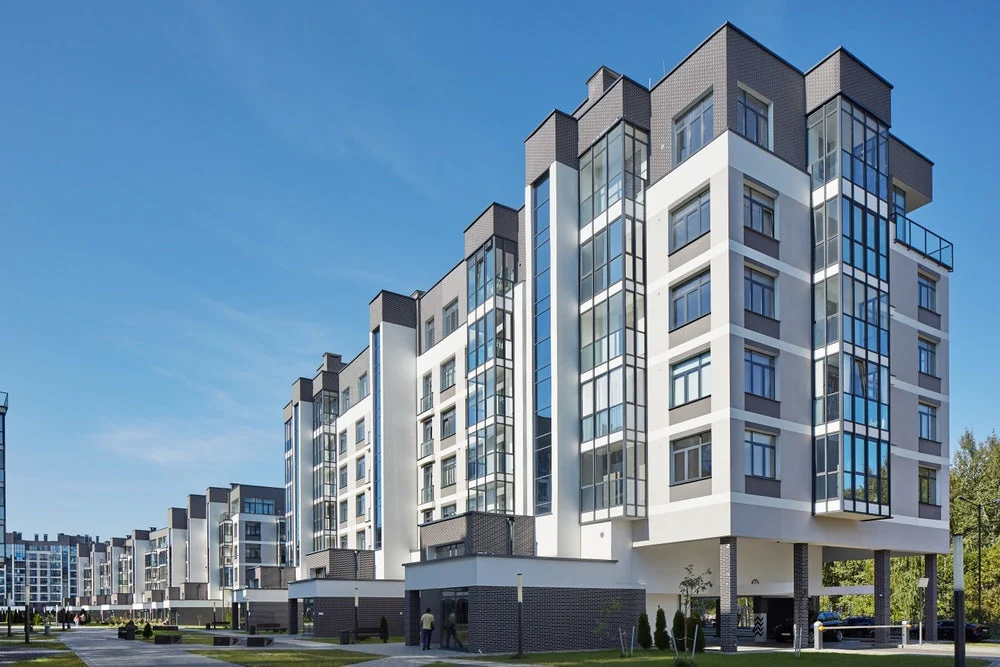

An apartment is more than a place to sleep; it is a compact ecosystem that shapes daily routines, financial health, and personal well-being. This guide digs into the substantive, evidence-backed considerations that matter to anyone who lives in, manages, invests in, or designs apartments. It moves beyond surface-level tips to examine design strategies, economic trade-offs, legal and maintenance realities, community dynamics, and future-facing trends such as sustainability and smart-home integration.
Apartments deliver concentrated benefits that scale differently than single-family homes. They typically offer lower purchase prices or rents per occupant, proximity to services and transportation, and shared maintenance that frees residents from many upkeep tasks. At the same time, apartments require acceptance of spatial constraints, shared walls, and community governance. Choosing an apartment is a decision about trade-offs: convenience and community versus space and autonomy.
Key decision factors when choosing an apartment
- Location and transit access. Walkability and proximity to public transit materially affect monthly budgets and time spent commuting.
- Net cost of living. Rent or mortgage, utilities, parking, amenity fees, and insurance together determine the effective monthly cost.
- Layout efficiency. How a unit’s square footage is used — storage, open-plan living, natural light — influences livability far more than raw area numbers.
- Building management and rules. Pet policies, subletting rules, and maintenance responsiveness shape long-term satisfaction.
- Resale or rental yield potential. For owners and investors, neighborhood trends, zoning, and demand affect appreciation and cashflow.
Apartment types and structural forms
Understanding the technical differences between apartment forms helps with realistic expectations around cost, privacy, and maintenance.
Studio and efficiency units
Studios combine sleeping, living, and kitchen areas in one open room. They are cost-effective and efficient but require clever storage strategies to avoid feeling cramped.
One-bedroom and multi-bedroom apartments
These separate living and sleeping areas. Multi-bedroom units attract roommates or families and can be more resilient in rental markets because of flexible occupancy options.
Loft and duplex units
Lofts capitalize on vertical space and open floor plans; duplex apartments extend living across two levels within a single unit. Both can make small footprints feel larger, yet they may complicate heating, cooling, and accessibility.
Garden, walk-up, and high-rise apartments
- Garden-level and walk-up properties often cost less and may lack elevators. They can offer private outdoor spaces in some cases.
- High-rise buildings provide views and amenities but carry higher common-area fees and may have stricter management regimes.
Space planning and interior strategies that add perceived square footage
Well-executed planning increases usable space and improves psychological comfort.
Visual strategies
- Use vertical storage to shift clutter out of sight.
- Favor light-reflecting surfaces and larger mirrors to amplify light.
- Choose consistent flooring between zones to visually widen spaces.
Functional furniture choices
- Multi-functional furniture (sofa beds, extendable tables, storage ottomans) preserves flexibility.
- Built-ins for closets and kitchen units yield better space-per-dollar than freestanding furniture in the long term.
Zoning without walls
Open-plan apartments benefit from visual zoning:
- Rugs to define living and dining areas.
- Lighting layers (task, ambient, accent) to create perceived depth.
- Low shelving or half-walls for separation without blocking light.
Financial mechanics: renting, buying, and investing
A rigorous financial comparison looks beyond headline rent or sale price.
Renting: total monthly carrying cost
When renting, calculate the true monthly cost:
- Base rent + utilities + parking + renters insurance + amenity fees = monthly outflow.
- Add expected transit or car expenses and time saved or lost commuting to measure net value.
Buying: mortgage math and long-term wealth
For buyers, run these numbers:
- Monthly mortgage payment, property taxes, homeowner association (HOA) fees, insurance, and maintenance reserves.
- Compare total carrying cost to renting over time while factoring in expected appreciation and tax considerations.
Investment metrics
Real estate investors use:
- Gross rental yield = annual rent / purchase price.
- Net operating income = rent – operating expenses (before debt service).
- Capitalization rate = NOI / purchase price, to compare asset returns.
- Consider vacancy allowances, expected capex, and local rental market seasonality.
Legal, lease, and governance essentials
Contracts and building governance shape what you can do and how conflicts are resolved.
Lease essentials for renters
- Duration and renewal terms.
- Security deposit amount and conditions for return.
- Repair and maintenance responsibilities.
- Subletting and guest policies.
- Pet rules and noise restrictions.
Condo rules and HOA governance for owners
- Reserve fund health and special assessment history matter for long-term cost exposure.
- Bylaws that cover short-term rentals, renovations, and noise disputes.
- Voting structures and transparency of board minutes reflect management quality.
Habitability and repair law
Most jurisdictions require landlords to maintain habitability (heat, water, structural safety). Tenants should document requests and follow the legal process when repairs are delayed.
Maintenance, durability, and lifecycle planning
Apartment living involves both unit-level and shared structural maintenance.
Personal maintenance checklist
- HVAC filter replacement frequency.
- Moisture control to prevent mold (bathroom exhausts, kitchen vents).
- Seal gaps to reduce pests and energy loss.
Building-level maintenance and capital planning
Properly managed buildings maintain value. Ask about:
- Recent capital improvements (roof, elevators, facade).
- Planned replacements and the reserve fund ratio.
- Frequency and quality of common-area maintenance.
Health, comfort, and acoustic design
Humans experience apartments through sound, air, and light — these determine comfort.
Acoustic considerations
Solid core doors, wall insulation, and resilient underlayments reduce noise transmission. Where retrofits are limited, behavioral strategies (quiet hours, rugs) also help.
Indoor air quality and daylight
Good natural ventilation and daylight reduce reliance on mechanical systems and improve occupant health. Plants and low-VOC materials further enhance air quality.
Technology and automation: practical integrations
Smart features can increase convenience and energy efficiency if they are chosen wisely.
Practical smart-home features
- Smart thermostats with occupancy learning for energy savings.
- Networked door locks for package management and temporary access.
- Water-sensing devices to detect leaks early — especially valuable in multi-unit buildings.
Interoperability and privacy
Choose devices that support open standards or widely used ecosystems. Prioritize privacy: pick products from vendors with clear data policies and the option to limit cloud dependence.
Sustainability strategies that reduce cost and carbon footprint
Sustainable design in apartments is cost-effective and marketable.
Energy and water interventions
- LED lighting, efficient appliances, and heat-pump water heaters cut operating costs.
- Low-flow fixtures and faucet aerators reduce water usage without compromising performance.
Materials and waste management
- Durable, low-maintenance finishes beat cheap replacements over time.
- Building-level composting and recycling programs reduce embodied emissions and tenant waste.
Community building and conflict resolution
Apartment living relies on social norms. Proactive community-building reduces conflict and improves retention.
Best practices for managers
- Clear, consistent communication about policies and maintenance.
- Regular social events and transparent meeting minutes to engage residents.
Resident-level approaches
- Use community channels (apps, bulletin boards) for announcements.
- Address issues directly and promptly with neighbors before escalation.
Renovation and value-add opportunities
For owners and investors, selective renovations provide outsized returns.
High-impact upgrades
- Kitchen and bathroom updates typically produce the best resale and rental returns.
- Adding in-unit laundry or improving HVAC control increases demand and justifies higher rent.
Permitting and building rules
Always check building rules and local codes before starting renovations. Some upgrades require board approval, permits, or licensed contractors.
Market signals and neighborhood analysis
Apartment value depends on macro and micro-economic signals.
Demand drivers to monitor
- Job growth corridors and new transit investments increase apartment demand.
- Zoning changes and new supply pipelines influence long-term rent trajectories.
Micro-level indicators
- Vacancy rates and time-on-market metrics from local listings provide real-time signals.
- Nearby amenity growth — restaurants, grocery stores, parks — is a positive predictor of appreciation.
Preparing for extreme events and insurance
Apartments need plans for floods, fires, and power outages.
Practical preparedness
- Know building evacuation routes and the location of fire extinguishers.
- Maintain an emergency kit with water, battery-powered light, and first-aid supplies.
Insurance considerations
- Renters insurance covers contents and liability for tenants.
- Owners should ensure master insurance and HOAs cover structural risks; gap policies can be necessary for certain hazards like floods.
FAQs
How can I maximize storage in a small apartment?
Use vertical shelving, built-in closets where permitted, and multi-functional furniture. Create a seasonal rotation system: store off-season items in vacuum bags or external storage only when the cost is justified by frequency of access.
Is it better to rent or buy an apartment for a young professional?
It depends on your time horizon, job stability, and local market. Renting offers mobility and fewer upfront costs. Buying can build equity and may be cheaper over time if you plan to stay several years and can handle variable expenses like HOA fees and maintenance. Run a break-even analysis considering transaction costs and expected appreciation.
What upgrades offer the highest ROI for landlords?
Energy-efficient upgrades, modernized kitchens and baths, and in-unit laundry deliver strong returns. Improving tenant experience — such as reliable maintenance and fast communication channels — reduces vacancy and turnover costs.
How do I evaluate an HOA’s financial health?
Request recent financial statements, the reserve study, and meeting minutes. A healthy reserve fund typically covers long-term replacements; frequent special assessments or deferred maintenance are red flags.
Can smart devices in apartments save money or just add complexity?
When selected and configured properly, smart devices like thermostats and leak detectors save money and reduce risk. Avoid overly complex, proprietary systems that lock you into a vendor or require expensive monthly subscriptions.
What are realistic acoustic expectations in multifamily buildings?
Even well-built buildings transmit some sound. Expect lower-frequency sounds to carry farther; prioritize insulation on shared walls and floors if privacy is a concern. Rugs, curtains, and soft furnishings help absorb ambient noise.
How do I negotiate rent or purchase price for an apartment?
Research comparable units, understand building occupancy and market seasonality, and present a concise case: pre-approved financing for buyers or references and proof of income for renters. For purchases, ask for recent sales comps and factor in any necessary immediate repairs.
How should I handle pests in a rental apartment?
Report sightings promptly. Integrated pest management emphasizes sanitation, exclusion, and targeted treatments. Document communication with management and follow their protocols; persistent problems may be a habitability issue.
What accessibility features should I prioritize for aging in place?
Zero-threshold showers, lever handles, wider doorways, and stable grab points in bathrooms are high-impact modifications. Consider proximity to medical services and elevator access in multi-story buildings.
How do short-term rental rules affect apartment investment?
Many buildings and municipalities restrict or prohibit short-term rentals. Understand local rules and the building’s bylaws before relying on short-term revenue; noncompliance can result in fines or forced delisting.
This guide focuses on substantive, actionable topics that matter to residents, owners, managers, and investors. Apply the sections that match your role and local market, and treat each apartment decision as a compound trade-off involving finances, physical design, and community dynamics.

Comments are closed.