
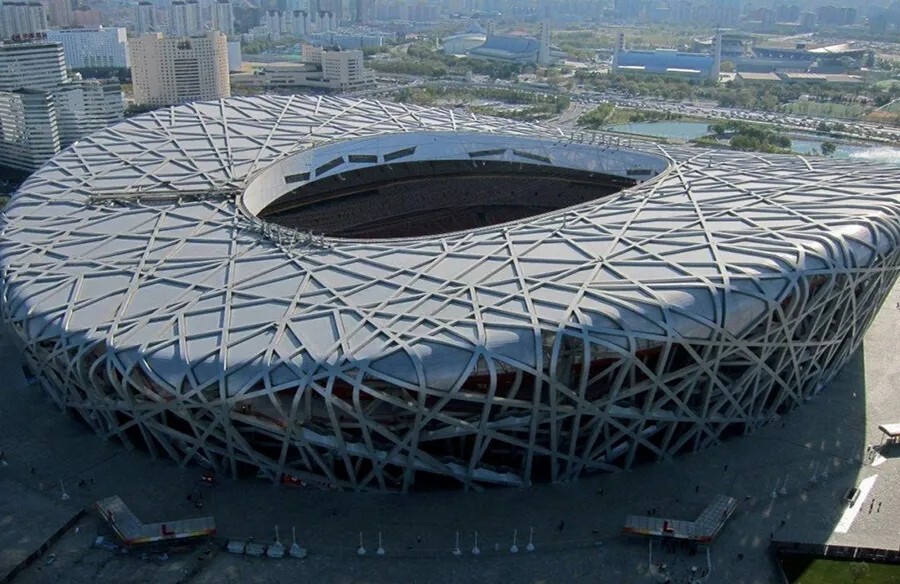

The landscape of the modern city is changing at a pace never before seen in human history. As capital, information, and people move across borders with increasing fluidity, the built environment has become one of the most visible stages for the drama of globalization. Architecture, once a discipline deeply rooted in the specific soil, climate, and culture of a place, is now caught in a tension between the universal and the particular. This shift has sparked a global debate regarding the preservation of architectural identity in an era characterized by the “International Style” and the rise of the “starchitect.”
Globalization in architecture is not merely about the export of building materials or the hiring of foreign firms. It is a fundamental shift in how we perceive space and purpose. While it has brought about incredible technological advancements and structural feats, it has also led to a phenomenon often described as “placelessness.” Understanding this influence requires an exploration of how global economic forces, technological homogenization, and cultural exchange intersect to redefine what it means for a building to belong to its environment.
The Rise of the Global Aesthetic and Placelessness
One of the most immediate effects of globalization is the homogenization of urban skylines. Whether one is in Dubai, Shanghai, London, or New York, the prevalence of glass-curtain walls, steel skeletons, and soaring heights creates a sense of digital-age uniformity. This global aesthetic is driven largely by the efficiency of modern construction and the demands of international corporations that require standardized office environments.
The concept of placelessness, or “non-place,” refers to environments that lack the geographical and social characteristics necessary to give them a distinct identity. Shopping malls, airports, and luxury high-rises often look and feel the same regardless of their longitude and latitude. When architecture ceases to respond to the local climate—such as using glass towers in desert heat—it relies heavily on mechanical systems like air conditioning, further distancing the structure from its natural context. This reliance on a universal solution often erodes the traditional building practices that evolved over centuries to handle specific environmental challenges.
The Role of Starchitecture and Brand Identity
In the late 20th and early 21st centuries, the “starchitect” emerged as a primary vehicle for globalization. High-profile architects are often commissioned by cities to create iconic landmarks that serve as symbols of economic prosperity and global relevance. This “Bilbao Effect,” named after the transformation of the Spanish city following the construction of the Frank Gehry-designed Guggenheim Museum, suggests that a single, bold architectural statement can put a city on the global map.
However, this trend often prioritizes the signature style of the architect over the cultural fabric of the city. While these buildings are masterpieces of engineering and form, they can sometimes feel like “objects” dropped into a landscape rather than growths from the landscape itself. The challenge for contemporary architecture is to balance the prestige of a global brand with the nuance of local heritage.
Technological Advancement and Material Flow
Globalization has democratized access to high-end building technologies. In the past, architectural identity was dictated by the materials available within a day’s journey—limestone in Paris, timber in Japan, or adobe in the American Southwest. Today, granite can be quarried in Brazil, polished in Italy, and installed in a skyscraper in Tokyo.
This freedom has led to several key developments:
-
Structural Innovation: The ability to share complex algorithms and 3D modeling software (BIM) globally allows for the construction of organic, fluid shapes that were previously impossible.
-
Sustainability Standards: Global certifications like LEED or BREEAM have created a unified language for environmental responsibility, pushing architects worldwide to adopt greener practices.
-
Modular Construction: Components manufactured in factories across the globe can be shipped and assembled on-site, reducing local labor costs but also reducing the influence of local craftsmanship.
While these advancements offer efficiency, they also contribute to the loss of vernacular techniques. The “craft” of building, once passed down through generations of local masons or carpenters, is increasingly replaced by standardized industrial processes.
Regionalism as a Counter-Response
In response to the perceived “sameness” of globalized architecture, a movement known as Critical Regionalism has gained traction. This approach does not reject modern technology or the benefits of globalization but rather seeks to filter them through the lens of local context. Critical Regionalism emphasizes the “tactile” experience of a building—how it feels, how the light hits it, and how it breathes within its specific climate.
Architects practicing in this vein look for ways to reinterpret traditional forms using modern methods. For example, a contemporary building in Southeast Asia might utilize a high-tech steel frame but incorporate traditional passive cooling techniques like stilted floors and permeable screens. By doing so, the architecture maintains a dialogue with its history while participating in the modern world. This synthesis creates a “contemporary identity” that is neither stuck in the past nor lost in a generic future.
Cultural Hybridity and New Identities
Globalization is not a one-way street where Western styles are simply exported to the rest of the world. Instead, it is a complex process of cultural hybridity. As architects from emerging economies gain prominence on the world stage, they bring new perspectives to the global discourse.
The exchange of ideas leads to:
-
The Reimagining of Public Space: Different cultures have varying concepts of privacy and community. Global architecture is increasingly incorporating diverse social structures into the design of plazas and residential complexes.
-
Material Innovation: Designers are looking toward traditional materials, such as bamboo or rammed earth, and applying advanced engineering to make them viable for modern, large-scale urban projects.
-
Adaptive Reuse: Globalization often leads to the obsolescence of old industrial sites. The global trend of converting these spaces into cultural hubs shows a shared interest in preserving history while serving new economic functions.
The Economic Drivers of Architectural Identity
Architecture is inherently tied to the flow of capital. In a globalized economy, buildings are often viewed as assets or commodities. Real estate developers prioritize designs that will appeal to international investors, which often leads to “safe” or “trendy” designs that mirror what is successful elsewhere. This economic pressure can stifle architectural experimentation that is purely local or culturally specific.
However, there is a growing realization that “uniqueness” itself has economic value. Cities that preserve their historic cores or encourage distinct architectural identities often see higher levels of tourism and a more dedicated workforce. Therefore, the preservation of identity is increasingly seen not just as a cultural necessity, but as a strategic economic advantage in the global market.
Frequently Asked Questions
How does globalization affect the lifespan of contemporary buildings?
Globalization often promotes the use of high-tech composite materials that are durable but difficult to repair without specialized global supply chains. Furthermore, the rapid cycle of global trends can lead to “stylistic obsolescence,” where buildings are demolished not because they are structurally unsound, but because they no longer reflect the current global aesthetic.
Does globalization make architecture more or less sustainable?
It is a double-edged sword. On one hand, it allows for the rapid spread of green technologies and energy standards. On the other hand, the global transport of heavy building materials significantly increases the carbon footprint of construction. True sustainability often requires returning to local sourcing, which globalization sometimes discourages.
What is the difference between International Style and globalized architecture?
The International Style was a specific mid-20th-century movement that explicitly sought to strip away ornament and local reference in favor of universal geometry. Globalized architecture is more of an economic and social condition; it can include many styles, but they are all influenced by the global movement of capital and technology.
Can a building be both global and local at the same time?
Yes, this is often referred to as “Glocalization.” This occurs when a building uses global construction standards and technologies but is designed to respond specifically to local topography, sunlight, and cultural rituals. This synthesis is often considered the peak of contemporary architectural practice.
How has the internet changed architectural identity?
The internet has created a “global image bank.” Architects can see what is being built in real-time across the world via social media and digital journals. While this inspires creativity, it can also lead to “copy-paste” architecture, where a design that looks good on a screen in one country is replicated in another without regard for physical context.
Has the role of the local architect diminished?
While large firms dominate the headlines, the role of the local architect has become even more critical as a “cultural mediator.” Local architects are the ones who understand the specific zoning laws, community needs, and environmental nuances that a large international firm might overlook.
How do global migration patterns influence building design?
Migration brings diverse needs for housing and community spaces into new territories. This often results in the creation of “ethnic enclaves” with specific architectural markers, or more broadly, it forces cities to reconsider high-density living and multi-generational housing models that were common in the migrants’ home countries.

Comments are closed.