
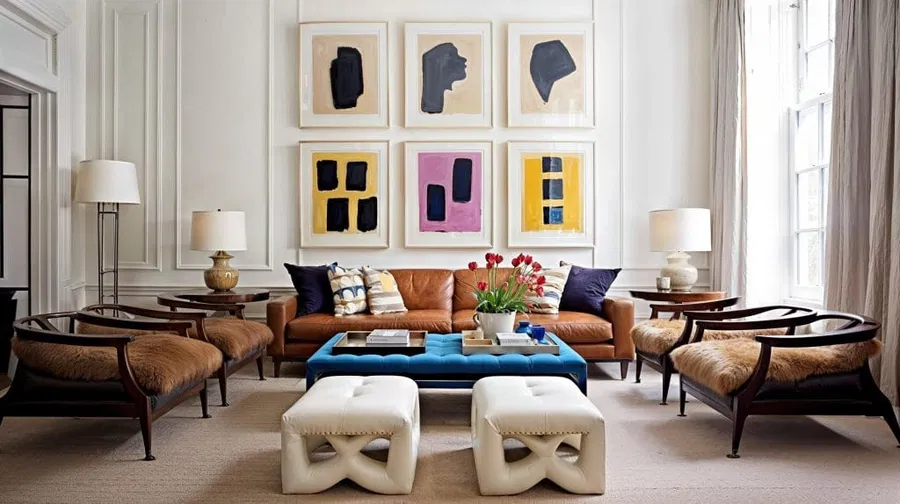

The challenge of interior design often lies in the tension between the past and the present. Many homeowners find themselves caught between an appreciation for the character of antique pieces and a desire for the clean, functional aesthetics of modern living. This middle ground is where transitional decor thrives. Rather than adhering strictly to a single period or style, transitional design acts as a bridge, allowing for a sophisticated dialogue between different design eras. When executed with intention, it creates a home that feels curated over a lifetime rather than purchased from a single showroom.
Seamlessly blending design eras is an exercise in balance, scale, and cohesion. It is not about simply placing old and new items in the same room; it is about finding the common threads—such as color, material, or silhouette—that allow disparate objects to coexist. By mastering the art of the transitional aesthetic, you can create a space that is both timeless and deeply personal, honoring history while embracing the comforts of contemporary innovation.
Defining the Transitional Philosophy
At its core, transitional decor is about the marriage of traditional elegance with modern lines. Think of a classic, rolled-arm sofa upholstered in a sleek, neutral performance fabric, or a minimalist glass coffee table sitting atop a hand-knotted Persian rug. The goal is to strip away the fussiness often associated with purely traditional styles and soften the perceived coldness of hyper-modernism.
This design philosophy relies on “quiet” backgrounds and “expressive” details. In a transitional space, the architecture and large furniture pieces usually provide a neutral foundation, while art, lighting, and accessories provide the chronological variety. This approach ensures that the room remains cohesive regardless of how many centuries are represented in the decor.
The Power of a Unified Color Palette
The most effective tool for blending different design eras is a controlled color palette. When you move across different periods, the shapes and textures of your furniture will naturally vary. To prevent the space from feeling chaotic, you must use color as a unifying force.
A successful transitional palette often relies on “warm neutrals”—whites, creams, greys, and tans. By keeping the walls and the largest furniture pieces within this tight tonal range, the eye is able to process the different silhouettes of the furniture without being overwhelmed. If you have a mid-century modern credenza and an ornate Victorian mirror, painting the wall behind them a soft, uniform charcoal or off-white allows the two pieces to “speak” to each other through their shapes rather than competing through their colors.
Balancing Silhouettes and Scale
One of the primary reasons a room can feel disjointed is a lack of balance in furniture profiles. Transitional design thrives on the juxtaposition of “curves” and “straights.” Traditional furniture often features rounded edges, tufting, and carved details, while modern furniture is characterized by sharp angles and geometric purity.
To blend these eras, aim for a 70/30 or 80/20 distribution. For example, if your living room is primarily modern with low-profile, clean-lined seating, introduce “warmth” through a traditional element like a heavy, carved wooden chest or an antique chandelier. The straight lines of the modern pieces act as a frame for the intricate details of the antique. Conversely, if you live in a historic home with ornate crown molding and a marble fireplace, you can modernize the space by introducing a sleek, minimalist dining table or abstract contemporary art. This contrast creates a “visual vibration” that makes the room feel dynamic and intentional.
Material Continuity Across Eras
Materiality is the “secret language” that connects different eras. You can bridge the gap between a 19th-century cabinet and a 21st-century light fixture by ensuring they share a common material or finish.
-
Metals: Utilizing a consistent metal finish throughout a room is an excellent way to create cohesion. If your modern floor lamp is unlacquered brass, look for antique picture frames or furniture hardware in a similar brass tone. This shared shimmer pulls the room together regardless of the age of the individual items.
-
Natural Woods: Wood is a universal design element. A rustic, reclaimed wood dining table can easily coexist with modern, molded plastic chairs if the wood tones are echoed in the frames of modern art or the legs of a contemporary sideboard.
-
Textiles: Natural fabrics like linen, wool, and leather are timeless. They look just as at home on a Louis XIV chair as they do on a minimalist bench. Using these “authentic” materials helps ground the design and prevents it from feeling like a temporary stage set.
The Role of Lighting as a Chronological Bridge
Lighting is often considered the “jewelry” of a room, and in transitional decor, it serves as a powerful chronological anchor. Lighting fixtures are one of the easiest elements to swap, making them ideal for introducing a different era into a space.
An ultra-modern, oversized pendant light hung over a traditional mahogany dining table instantly signals that the room is contemporary and forward-thinking. Similarly, placing a pair of traditional ginger jar lamps on a sleek, high-gloss console table adds a layer of history and “weight” to a modern entryway. Lighting allows you to experiment with different eras at the eye level, which is where the most significant visual impact occurs.
Mastering the Edit: Curating Over Cluttering
The greatest risk in blending design eras is the accumulation of too much “stuff.” Transitional decor requires a disciplined “edit.” Every piece must justify its presence in the room through either its function or its contribution to the overall aesthetic narrative.
If a piece of furniture or an accessory feels like an outlier that is disrupting the flow, ask yourself if it shares at least two characteristics with the other items in the room (color, material, or scale). If it does not, it may be better suited for another space. The hallmark of a professionally styled transitional room is “white space”—the empty areas around objects that allow the beauty of each era to be appreciated individually.
Creating a Sensory Narrative with Art
Art is perhaps the most flexible element in transitional design. It provides a way to introduce a missing era without taking up any floor space. A large, abstract canvas in a traditional room provides a window into the modern world, while a classic oil portrait in a modern apartment provides a sense of lineage and gravity.
When framing art in a transitional space, consider “cross-framing.” Put a contemporary photograph in a heavy, ornate gold leaf frame, or place a vintage sketch in a simple, thin black gallery frame. This small act of blending the “content” with the “container” is the essence of transitional decor.
Frequently Asked Questions
How do I prevent my transitional room from looking like a furniture warehouse?
The key is to avoid “matching sets.” If you buy a matching sofa, loveseat, and coffee table from one era, it becomes very difficult to integrate a piece from a different period without it looking like a mistake. Instead, purchase individual pieces that you love and find a common color or material to tie them together.
Is there a specific era that does not work well in transitional design?
Generally, any era can work, but “highly thematic” styles can be more difficult. For example, ultra-industrial or heavy “shabby chic” can sometimes clash with the refined nature of transitional decor. The goal is to look for the “sophisticated” versions of each era rather than the most extreme examples.
What is the best way to start transitioning a room that is currently all one style?
Start with the “small stuff.” Swap out your modern throw pillows for something with a traditional pattern like a subtle damask or a botanical print. Or, replace a modern lamp with an antique one. These small changes will help you develop an eye for how different eras interact before you make a major furniture purchase.
Can I mix more than two eras in one room?
Yes, but it requires more discipline. The “Rule of Three” can be helpful here: try to have at least three items from each major era to ensure they look like an intentional group rather than accidental outliers. Use a very strict, neutral color palette to keep the multiple eras from becoming a visual distraction.
Does transitional design work in a very small apartment?
It actually works exceptionally well. Modern furniture often has a smaller footprint and “leggy” profiles that make a small room feel larger, while a few traditional accents provide the “warmth” that small apartments often lack. The mix prevents a tiny space from feeling like a sterile box.
What type of flooring is best for a home that blends different eras?
Natural hardwood in a medium stain is the most versatile choice. It provides a timeless foundation that supports both the heavy weight of traditional furniture and the light, airy feel of modern pieces. Avoid extremely grey or extremely red wood tones, as these tend to lean too far into specific, dated trends.
How do I handle window treatments in a transitional space?
Go for simplicity. Floor-to-ceiling linen drapes in a neutral color are the perfect transitional choice. They have the “softness” of traditional drapery but the “clean lines” of modern design. Avoid complex valances, heavy swags, or ornate fringe, which can pull the room too far into the traditional camp and make the modern pieces look out of place.

Comments are closed.