
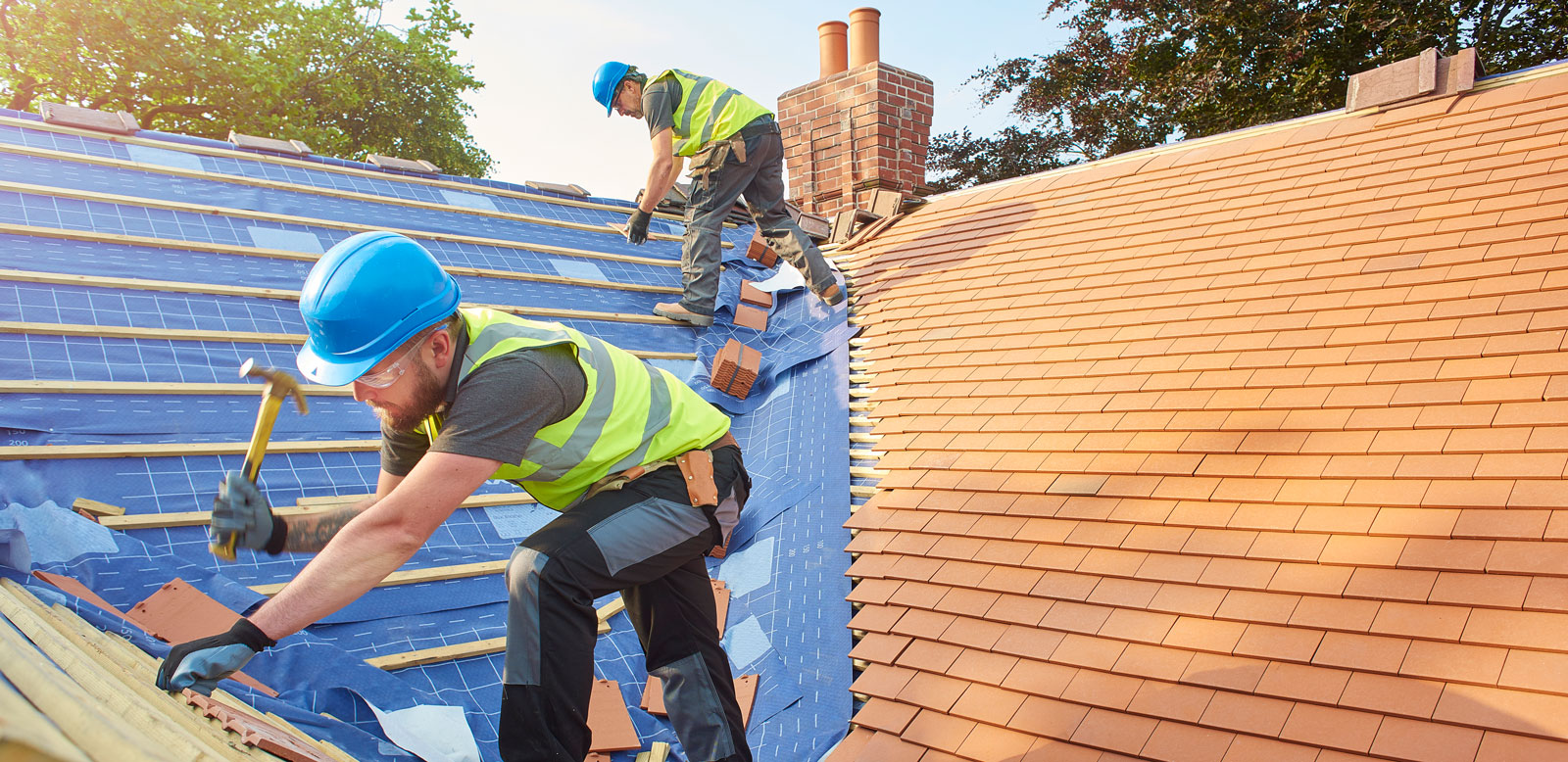

Introduction: Why smart roofing decisions matter now more than ever
Roofing is one of the most important investments a homeowner can make, and the quality of your decision has long-term consequences. It influences property value, energy performance, indoor comfort, structural durability, and protection from weather. Whether you are building, replacing, repairing, or upgrading, understanding your options ensures you make informed, cost-effective choices. Within the first or second paragraph, it is essential to emphasize roofing because it is the foundation of every smart home protection strategy. A well-installed roof does more than keep water out. It creates a barrier against heat transfer, prevents moisture damage, maintains structural integrity, and supports energy efficiency throughout the home.
This guide covers material science, installation best practices, cost factors, energy optimization, long-term maintenance, insurance considerations, and contractor vetting. Every section is written to provide deep, practical insight so you gain the confidence to choose the right roofing system for your home.
How roofing materials perform and how to evaluate them
Understanding material performance helps you align durability, cost, climate compatibility, and maintenance expectations. Each roofing category has distinct strengths and drawbacks.
Asphalt shingles
Asphalt shingles remain the most common roofing material in the United States thanks to their affordability and ease of installation.
Typical lifespan: 15 to 30 years depending on thickness and installation quality
Strengths:
- Cost effective for starter homes
- Wide range of designs and colors
- Simple repairs and replacements
- Good performance for moderate climates
Limitations:
- Vulnerable to granule loss over time
- Can weaken under high heat exposure
- Limited lifespan compared to metals or tile
Architectural shingles are a higher grade option with improved wind resistance and longer service life. They are recommended for homeowners seeking a balance between affordability and performance.
Metal roofing
Metal roofing has grown significantly in popularity due to its longevity, energy benefits, and storm resistance.
Typical lifespan: 40 to 70 years
Strengths:
- Exceptional resistance to wind, fire, and impact
- Highly recyclable and sometimes made from recycled materials
- Light weight reduces strain on framing
- Excellent in both hot and cold climates when paired with proper insulation
Limitations:
- Higher upfront cost
- Requires correct fastener systems to manage thermal expansion
- Potential for noise during heavy rainfall if underlayment is insufficient
Metal roofs are ideal for regions with extreme weather or homeowners planning long-term occupancy.
Tile and slate roofing
Clay tile, concrete tile, and natural slate offer unmatched durability and a timeless look.
Typical lifespan: 75 to over 150 years depending on the type
Strengths:
- Extraordinary longevity
- High fire resistance
- Low long-term maintenance
- Outstanding aesthetic value
Limitations:
- High installation cost
- Very heavy and often requires structural reinforcement
- Brittle tiles can crack under foot traffic
Tile and slate roofs are often preferred for historic homes or upscale neighborhoods where longevity and visual appeal are top priorities.
Wood shake and engineered roofing products
Wood shakes and modern engineered materials offer a natural appearance and can add character to a home.
Typical lifespan: 20 to 30 years for wood, longer for composite
Strengths:
- Attractive rustic appearance
- Good insulating properties
- Composite materials reduce long-term maintenance
Limitations:
- Wood is vulnerable to rot and insects
- Fire concerns unless treated
- Requires consistent upkeep
Engineered shingles blend aesthetic appeal with durability and are useful alternatives when natural wood maintenance is impractical.
Single-ply membranes for low-slope roofs
For flat or low-slope structures such as commercial buildings, garages, and some modern homes, systems like TPO, EPDM, and PVC are often used.
Typical lifespan: 15 to 30 years
Strengths:
- Ideal for flat surfaces
- Large sheets minimize seams
- Good for rooftop equipment placements
- Lightweight and flexible
Limitations:
- UV exposure affects certain membranes
- Seams require skilled installation
- Substrate preparation is critical to avoid leaks
Every roofing material must be matched to climate, architectural style, budget, and maintenance expectations.
Codes, ventilation, and building science essentials
The science behind attic ventilation
Proper attic ventilation regulates temperature and humidity. Without adequate airflow, the underside of your roof can trap heat and moisture that weaken shingles, warp decking, and reduce insulation performance. A balanced system includes intake vents at the soffits and exhaust vents at the ridge.
A widely accepted design principle is about 1 square foot of net free ventilation for every 150 square feet of attic floor area when a vapor barrier is not present. Although ratios vary by region, balanced airflow is always essential for protecting your roof’s lifespan.
Understanding building codes and local requirements
Roofing codes differ across states and counties, with additional rules for coastal, high-wind, wildfire, or snow-prone areas. You may be required to install high-wind fastening patterns, ice barrier membranes, or specific flashing details. Local codes also determine whether you can apply new roofing over existing layers.
Before any project, confirm permit requirements, inspection timelines, and approved materials to avoid compliance issues.
What truly drives roofing costs
Material quality and type
Material choice is the primary cost driver. Asphalt is the most affordable option while tile, slate, and premium metals sit at the high end. But long-term value often shifts the equation. A roof with double or triple the lifespan can significantly reduce lifetime ownership costs.
Tear-off and disposal
Removing old layers adds labor and disposal expenses but reveals hidden structural problems. Overlaying shingles may save money upfront but increases weight and traps problems below the surface.
Roof complexity
Roofs with steep slopes, multiple valleys, penetrations, skylights, or dormers require more labor and careful detailing. Complexity influences both installation time and material waste.
Warranty and installation quality
High-quality installation is essential. Poor workmanship can void warranties, shorten roof life, and create ongoing leak problems. A strong labor warranty is just as important as a manufacturer’s material warranty.
Energy-smart roofing strategies that improve performance
Cool roofing systems
Cool roofing materials reflect more sunlight and absorb less heat. This reduces cooling costs and helps maintain a stable indoor temperature during summer. Reflective shingles, coated metal panels, and white single-ply membranes are common cool roofing options. In warmer regions these systems can make a noticeable difference in monthly utility bills.
Insulation and air sealing
Well-sealed and properly insulated attics significantly enhance thermal efficiency. Air leaks through recessed lighting, vent stacks, and attic access hatches allow conditioned air to escape. Sealing these gaps and adding insulation helps maintain temperature consistency and reduces HVAC workload.
Solar ready roof planning
If you expect to add solar panels, choose materials that match or exceed the lifespan of a PV system. Metal and architectural shingles are often ideal. Discuss racking compatibility and future penetrations during the roofing project to prevent conflicts later.
Installation quality and common failure points
Flashings and details make or break a roof
Most roof leaks originate from improperly installed flashings. Chimneys, skylights, wall intersections, and plumbing vents must be sealed using correct step flashing, counter flashing, and water barriers. These areas demand attention to detail and often separate high-quality contractors from low-cost alternatives.
Underlayment and moisture barriers
Synthetic underlayments resist tearing and serve as a secondary water barrier. In cold regions, ice and water membranes help prevent leaks caused by ice dams along eaves and valleys. The fastener spacing, lap width, and installation sequence all contribute to overall roof performance.
Ventilation errors to avoid
Common mistakes include blocked soffit vents, unbalanced intake and exhaust airflow, and over-reliance on powered attic fans that create negative pressure. These errors lead to premature shingle failure, mold growth, and increased energy consumption.
Maintenance strategies that extend longevity
Seasonal tasks that protect your investment
- Clear gutters and downspouts in spring and fall
- Check for missing or curling shingles after storms
- Inspect attic spaces for moisture or daylight penetration
- Remove tree limbs near the roof to prevent abrasion
- Schedule professional inspections every few years
When to repair and when to replace
If damage is isolated, targeted repairs may be sufficient. When granule loss is widespread, leaks are recurring, or structural sagging appears, replacement is usually the better long-term decision.
Financial and insurance considerations
Navigating insurance claims
After storms, document damage thoroughly and contact your insurer promptly. Understand your deductible and policy coverage limits. Some insurers distinguish between cosmetic and functional damage, especially with hail. When in doubt, obtain an independent roofing assessment.
Financing your project
Options include personal loans, home equity credit lines, or contractor financing. Some energy efficient upgrades may qualify for local incentives. Always compare interest rates and repayment terms to select the most cost effective option.
Environmental considerations that shape material choice
- Many shingles can be recycled for road materials
- Metal roofing is often made with recycled content
- Tile and slate have high embodied energy but extremely long lifespans
- Cool roofs help mitigate urban heat island effects
- Long-lasting roofs reduce waste and long-term material consumption
Contractor selection checklist
- Verify state or local licensing
- Request proof of insurance including general liability and worker coverage
- Ask for detailed itemized estimates
- Confirm written warranties for labor and materials
- Request recent project photos and homeowner references
- Avoid high pressure sales tactics
A trustworthy contractor combines technical skill with transparent communication and strong documentation.
Frequently Asked Questions
What is the most accurate way to determine if my roof has reached the end of its lifespan?
Monitor for widespread curling, cracking, missing shingles, sagging deck sections, or multiple recurring leaks. If the roof is near or past the expected age for its material type, an evaluation from a qualified roofing professional can provide a definitive answer.
How often should a roof be professionally inspected?
Most experts recommend inspections every 3 to 5 years, or after severe weather. Inspections help identify early issues before they become costly repairs.
Can I improve roof ventilation without replacing the entire roof?
Yes. Adding or unblocking soffit vents, improving ridge vent connections, or installing baffles in the attic can significantly improve airflow. However, some major ventilation upgrades are easiest during a full roof replacement.
Are reflective or cool roofs beneficial in northern climates?
Although cool roofs offer the greatest advantage in warmer regions, they can still reduce summer cooling loads in northern states. Benefits may be smaller but can still contribute to comfort and moderate savings depending on home design.
How do I prepare my home for a roofing project?
Move outdoor furniture away from the house, clear driveway access for material delivery, and secure fragile items inside the home since vibrations can shift wall hangings. Pets should be kept indoors to avoid noise stress or accidental exposure to debris.

Comments are closed.