
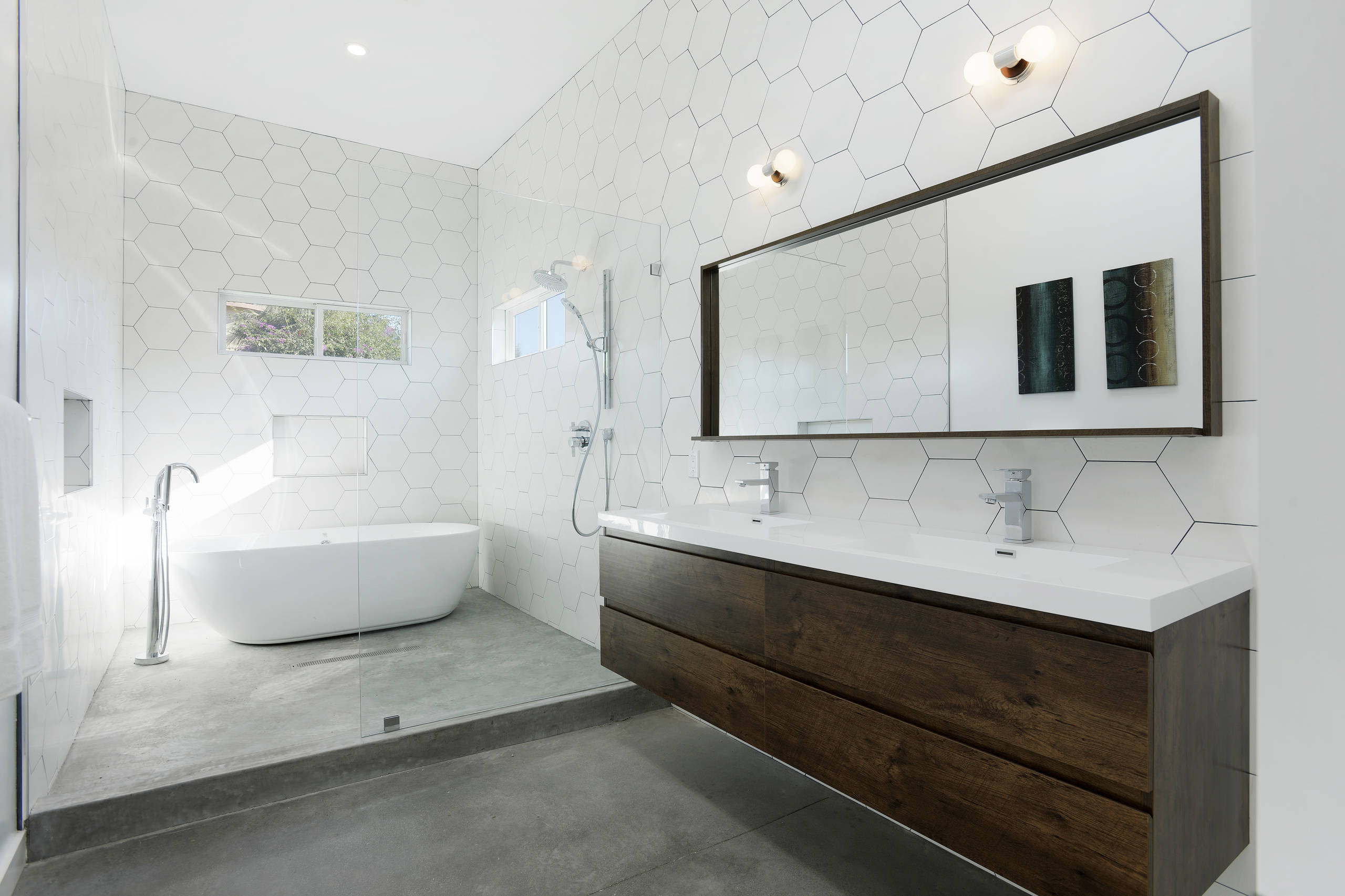

There is a very specific, sharp jolt of shock that comes with stepping out of a warm, comforting shower onto a freezing tile floor on a bitter winter morning. For generations, homeowners have simply accepted this chilly wake-up call as an inevitable part of bathroom design. After all, tile, stone, and concrete are the gold standards for bathroom flooring due to their water resistance and durability, but they are notorious thermal sinks that absorb and hold ambient cold.
Enter radiant floor heating. Once reserved exclusively for high-end luxury estates and custom architectural builds, heated bathroom floors have rapidly transitioned into a mainstream home improvement consideration. When scrolling through modern interior design galleries, underfloor heating feels like the ultimate indulgence, a decadent spa-like feature that screams high-end living. Yet, beneath the undeniable comfort lies a practical engineering solution that impacts energy consumption, property resale value, and daily household ergonomics. Deciding whether heated bathroom floors represent a frivolous luxury or a genuinely smart investment requires looking past the initial novelty and examining the engineering, costs, and long-term returns.
How Radiant Bathroom Floor Systems Work
To evaluate whether heated floors are worth the investment, it helps to understand how the technology operates. Unlike traditional forced-air HVAC systems that blow hot air from ceiling vents or baseboards and create uneven temperature zones, radiant heating warms objects and surfaces directly from the ground up.
There are two primary types of radiant floor heating systems used in residential construction: electric and hydronic.
Electric radiant systems are by far the most common choice for bathroom remodels. They consist of thin electric heating cables or pre-spaced mat grids embedded right beneath the flooring material or in the thin-set mortar layer just under tile. These systems operate on standard household current, controlled by a dedicated programmable thermostat that allows you to set precise schedules. They heat up relatively quickly, making them ideal for targeted spaces like a single master bathroom.
Hydronic systems, on the other hand, utilize a closed network of flexible PEX tubing through which heated water is pumped from a boiler or water heater. While incredibly energy-efficient for heating an entire house or a large addition, hydronic systems are rarely installed in a single bathroom retrofit due to their high installation complexity, thickness requirements, and plumbing integration costs. Consequently, when most homeowners discuss heated bathroom floors, they are referring to electric radiant mats.
The Undeniable Comfort and Lifestyle Benefits
It is impossible to discuss heated floors without acknowledging the sheer, unadulterated comfort they provide. This is not merely about avoiding a momentary chill; radiant heat changes how your body experiences warmth within a room.
Traditional heating systems warm the air, which naturally rises to the ceiling, leaving cold air trapped near the floor where your bare feet rest. This forces you to crank up the thermostat higher just to feel comfortable. Radiant floor heating flips this dynamic. By warming the floor directly, heat radiates upward evenly across the entire surface of the room. Your feet, ankles, and lower body remain warm, which tricks your body into feeling comfortable at a lower overall ambient air temperature.
Furthermore, because radiant heat does not rely on blowing air, it completely eliminates the dust circulation, allergen distribution, and dry, stuffy drafts associated with traditional forced-air vents. For allergy sufferers or anyone sensitive to airborne dust mites, a radiant-heated bathroom provides a cleaner, more breathable indoor environment.
Energy Efficiency and Real-World Operational Costs
A common hesitation among homeowners considering heated floors centers on utility bills. People worry that running electric heating coils beneath their floor tiles will result in an astronomical monthly electricity spike.
The reality is much more nuanced. Because bathroom footprints are relatively small compared to living rooms or open-concept kitchens, the total square footage requiring heating is modest, often ranging between forty to eighty square feet. Furthermore, modern electric radiant systems are paired with intelligent, programmable thermostats. You can program the system to turn on for thirty minutes before your morning routine and switch off automatically once you leave for work.
When integrated with smart home controls, the system only consumes energy when needed, rather than running continuously. While it does add a marginal cost to your monthly electric bill, many homeowners find that because the radiant heat feels so intense and direct, they can lower their home’s main thermostat by a couple of degrees in the winter, offsetting the bathroom energy expenditure entirely.
Assessing the Financial Return and Resale Value
When financial experts evaluate whether a home improvement project is a smart investment, they look at return on investment, or ROI. Real estate trends indicate that minor bathroom upgrades consistently yield a strong return when selling a home, often recouping a significant percentage of their initial cost.
While a heated floor on its own will rarely command a massive standalone bump in your home appraisal value, it functions as a powerful psychological selling point. When potential buyers tour a home and step into a master bathroom during an open house, flipping on a sleek digital thermostat to reveal a warm, comforting floor creates an immediate, memorable impression of luxury and meticulous quality. In competitive real estate markets, small, high-end touches like heated floors, frameless glass showers, and high-end fixtures help a property stand out from the competition, often leading to faster offers.
Installation Realities: When to Integrate Radiant Heat
Timing is everything when it comes to installing heated bathroom floors. Because the heating cables or mats must be installed directly beneath the flooring material, attempting to retrofit a heated floor into an existing bathroom without a remodel is impractical and messy.
The ideal time to install radiant flooring is during a comprehensive bathroom renovation or a new home build. When you are already ripping up old floor tiles, replacing the subfloor, or upgrading your electrical panel, adding a radiant mat kit requires minimal extra labor.
Material compatibility is another crucial consideration. Radiant heat pairs exceptionally well with ceramic tile, porcelain, natural stone, and luxury vinyl tile because these materials conduct thermal energy efficiently. Thick wall-to-wall carpeting or heavy hardwood flooring can act as thermal insulators, trapping the heat and reducing the system efficiency, making tile the undisputed champion for radiant floor applications.
Making the Final Verdict: Luxury or Smart Investment?
So, are heated bathroom floors a pure luxury or a smart investment? The truth is, they are a rare home improvement that successfully bridges both categories.
If you evaluate the investment strictly through a cold, purely financial spreadsheet, you may not recoup every single dollar spent on installation when you sell the home. However, homeownership is not just about spreadsheet math; it is about daily quality of life, personal well-being, and the small comforts that make a house feel like a sanctuary.
When you factor in the modest operational costs, the energy-saving physics of radiant warmth, the heightened daily comfort during harsh winters, and the subtle yet powerful boost to home resale appeal, heated bathroom floors emerge as a remarkably smart investment in your everyday living experience. Transforming a freezing tile floor into a warm, inviting surface elevates a standard bathroom into a space you genuinely look forward to using every single morning.

Comments are closed.