
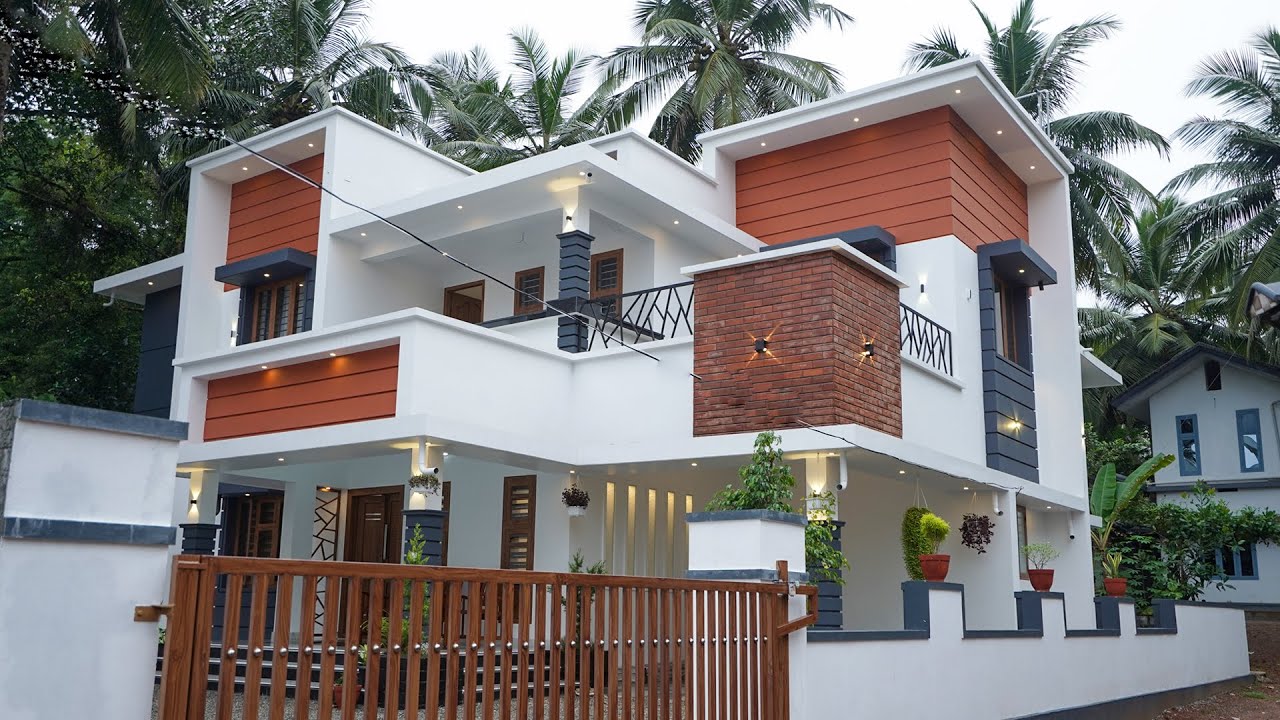

A home can feel fragmented when its interior and exterior finishes have been selected at different times without much thought about how they meet. An indoor living area might have warm timber and soft colours, while the adjoining balcony uses materials that feel entirely unrelated. There is no need to make every surface match, but some connection between them can make the property feel more considered.
Custom Balustrade Designers can be useful to consult when a renovation includes visible boundaries between indoor and outdoor spaces. The choice of material, colour and level of transparency can affect views from both sides. When exploring those options, it helps to look beyond a product sample and consider how the finished detail will relate to flooring, wall colours and other permanent features. For examples of available approaches, homeowners can review Custom Balustrade Designers in the context of their broader plans.
Begin With What Is Already There
Before choosing anything new, identify the home’s existing materials and shapes. Brickwork, roof colour, window frames and established flooring create a starting point, even if some of them will change. A finish that looks appealing in isolation may be less convincing beside a prominent material that is staying.
Take photographs in natural light and collect physical samples where possible. View them at the property, not just on a screen. Paint and metal colours can appear noticeably different outdoors, where direct sun and shadow change throughout the day.
Decide which existing features deserve to lead the scheme. A striking brick colour or an attractive timber floor might be worth supporting rather than competing with.
Think in Relationships, Not Exact Matches
Trying to match every finish precisely can make the design feel forced. A better approach is to look for materials that share a characteristic. Warm timber may sit comfortably with a muted metal finish even though their colours are different. A dark window frame can relate to outdoor lighting or selected hardware without appearing on every surface.
Texture matters as much as colour. Smooth glass, painted metal, natural stone and timber each reflect light differently. Combining them can add depth, provided there is a clear reason for each choice.
Place samples together in the areas where they will be seen together. An exterior material should be assessed from inside the room if it is visible through a large window. An interior floor should be considered from the adjoining deck if the doors are often left open.
Pay Attention to the Threshold
The transition between an indoor room and an outdoor area often determines whether the spaces feel connected. Door frames, floor levels, drainage and changes in surface texture all play a role. These details must also respond to weather and practical use.
An outdoor finish does not need to copy the indoor flooring. It may need different performance characteristics, especially when exposed to rain and heat. A compatible tone or scale can create a visual relationship while allowing each surface to do its job.
Consider how the threshold looks when the doors are closed as well as open. In many homes, the view through glazing is part of the room for most of the year. The outdoor materials therefore contribute to the interior’s appearance even when no one is outside.
Choose for the Conditions
Exterior finishes face conditions that interior finishes do not. Sun, rain, airborne dirt and, in some locations, coastal exposure can influence how materials age. Maintenance should be part of the selection process, not a surprise after installation.
Ask suppliers how a finish is cleaned, how often it may need attention and what changes in appearance are normal. Some homeowners enjoy the way a natural material weathers. Others prefer a more consistent finish with less routine care. Neither preference is wrong, but the decision should be informed.
Indoors, consider wear in high-traffic areas. A finish that is easy to maintain near an entry or outdoor door may be more valuable than one that looks pristine only under showroom lighting.
Use Colour With a Light Touch
A limited palette can help connect the whole property. Choose a few principal tones, then allow smaller accents to vary. That might involve a consistent approach to metals, a repeated neutral colour, or complementary timber tones.
Avoid judging colours only from tiny chips. Larger samples reveal undertones that are hard to notice in a small swatch. Move them around the property and view them in morning, afternoon and evening light.
Remember that planting and landscaping add colour too. Greenery can soften dark finishes and bring warmth to pale surfaces. If a garden is central to the view, it should be considered part of the visual scheme.
Look at the House From Several Positions
Stand in the street, at the front door, in the main living area and on the outdoor space. A choice may look balanced from one position and overly dominant from another. This is especially relevant for elements that appear across several sightlines.
Photographs and simple visual mock-ups can help. They need not be elaborate. Even placing samples beside an existing door or window frame can show whether the relationship works. If the decision affects a large or expensive feature, taking extra time here is worthwhile.
Ask how the design will feel when the space is furnished and in use. Outdoor seating, pots, rugs and shade will change the impression of bare finishes. Indoors, furniture and lighting will do the same.
Aim for a Home That Ages Well
A connected design is easier to maintain when it is based on the property rather than a short-lived trend. That does not mean avoiding personality. It means choosing permanent elements carefully and leaving room for smaller things to change.
The strongest interior and exterior schemes usually feel related without being identical. Materials suit their location, colours work in the available light, and transitions have been resolved deliberately. When those decisions support one another, moving between the house and its outdoor spaces feels easy and natural.

Comments are closed.